
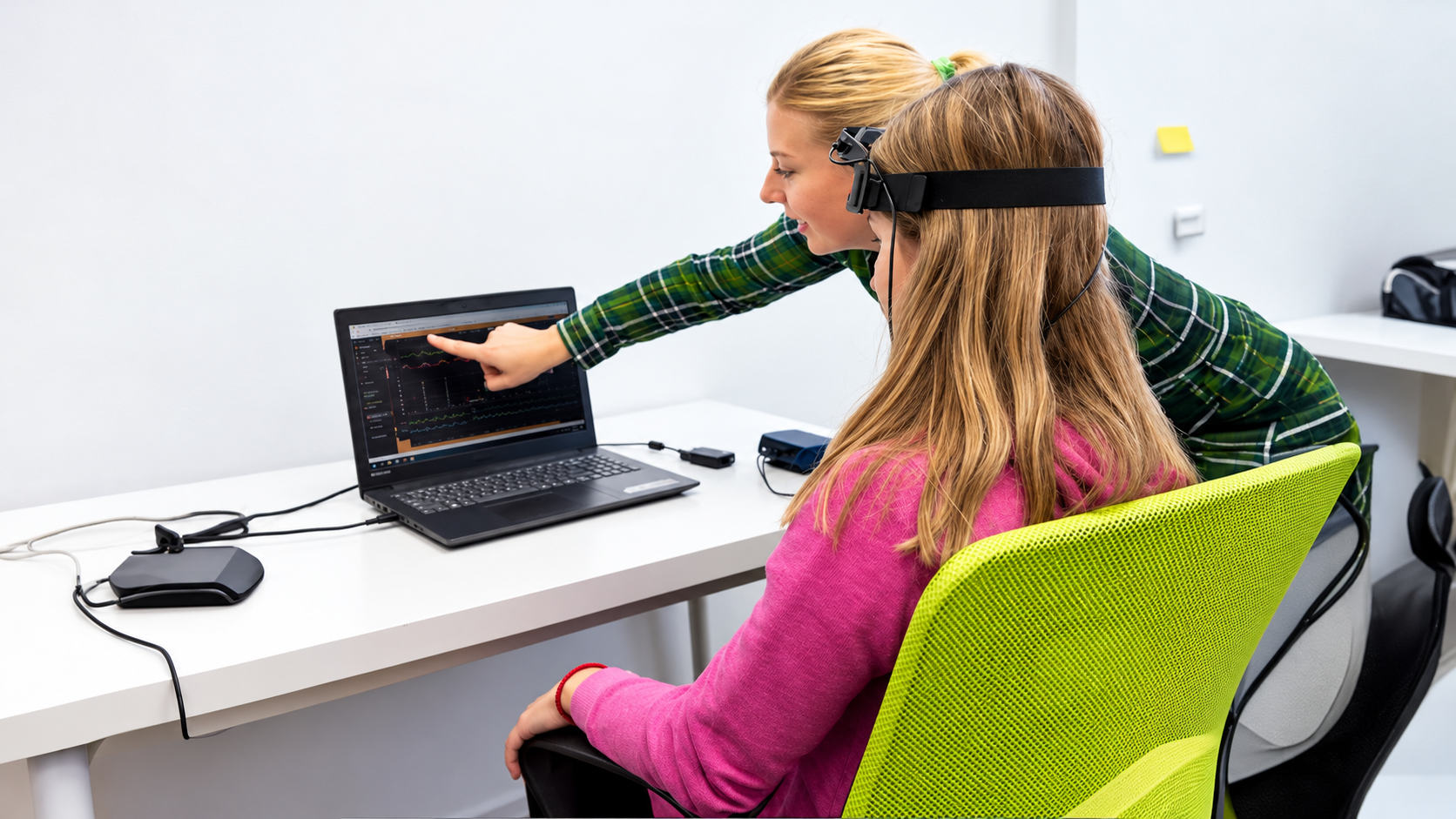
Computerized ADHD testing is a technology-assisted assessment that measures specific aspects of attention, response control, and task performance using standardized computer-based activities.
The results may provide additional information during an ADHD evaluation, helping a qualified healthcare professional consider an individual's performance alongside their symptoms, medical history, and other relevant assessment findings.
Computerized testing is not the same as an informal online ADHD quiz. It is intended to be used within the appropriate clinical context.
Computerized ADHD testing is a technology-assisted assessment that measures specific aspects of attention, response control, and task performance using standardized computer-based activities. The results may provide additional information during an ADHD evaluation, helping a qualified healthcare professional consider an individual's performance alongside their symptoms, medical history, and other relevant assessment findings. Computerized testing is not the same as an informal online ADHD quiz. It is intended to be used within the appropriate clinical context.
The individual completes computer-based activities according to the instructions for the specific testing system. The system records performance measures that may relate to attention and response control.
A qualified professional interprets the results in the context of the individual's overall clinical presentation.
A comprehensive ADHD assessment may include clinical interviews, symptom history, rating scales, and other relevant information. Computerized testing may contribute additional performance data, but it does not replace a comprehensive evaluation when one is required.

The individual completes computer-based activities according to the instructions for the specific testing system. The system records performance measures that may relate to attention and response control. A qualified professional interprets the results in the context of the individual's overall clinical presentation.
A comprehensive ADHD assessment may include clinical interviews, symptom history, rating scales, and other relevant information. Computerized testing may contribute additional performance data, but it does not replace a comprehensive evaluation when one is required.
Computerized ADHD testing may be appropriate for individuals experiencing persistent attention-related difficulties, depending on the testing system's eligibility requirements and the clinician's recommendation.
Adults who have trouble concentrating, organizing tasks, managing time, or completing activities may wish to discuss an ADHD assessment with a qualified professional.
Computerized testing may provide additional information when clinically appropriate.
Students who experience ongoing difficulties with attention, task completion, or following instructions may benefit from an appropriate evaluation.
Eligibility depends on the individual's age, the specific testing system, and clinical requirements.
People who are already discussing attention-related symptoms with a healthcare professional may consider computerized testing as one potential component of a broader assessment.
Computerized testing uses standardized activities to measure specific aspects of attention and response performance.
Test results may help a qualified professional understand certain aspects of performance alongside symptoms, history, and other clinical findings.
The computerized format provides a structured way to collect performance data under the conditions specified by the test provider.
After reviewing the results, a qualified professional can explain the findings and discuss whether further evaluation or follow-up care may be appropriate.
Share your concerns, relevant history, and goals with the healthcare professional. They can explain the assessment process and determine whether computerized testing is appropriate.
If recommended, you will complete the activities associated with the specific testing system. Follow the instructions provided by the testing professional.
A qualified professional interprets the findings alongside relevant symptoms, history, and other assessment information.
Depending on the findings, the professional may recommend additional assessment, follow-up consultation, or discussion of appropriate care options.
Choosing an ADHD testing service involves understanding the assessment process, the professionals involved, and how results will be interpreted.
Shine Wellness can help prospective patients learn about its computerized testing service, eligibility requirements, appointment options, and next steps.
Shine Wellness serves patients in Maryland who are exploring assessment options for attention-related concerns.
If you are comparing ADHD testing services, contact our team to confirm where the service is available, whether you meet the testing requirements, and how to arrange an appointment.
.png)
Understanding the cost, availability, and requirements of an assessment can help you decide which service is right for your needs.
The cost depends on the service provided, whether a clinical consultation is included, and applicable insurance or payment arrangements. Contact Shine Wellness for current pricing.
ADHD testing is not necessarily free. Costs and insurance coverage depend on the provider, testing service, and individual insurance plan. Contact Shine Wellness to ask about available payment options and potential out-of-pocket expenses.
Referral requirements vary by provider and service. Contact Shine Wellness to confirm whether you need a referral or an initial consultation before scheduling.
The appropriate test depends on the individual's age, clinical needs, and the intended use of the assessment. A qualified healthcare professional can determine which testing approach is suitable.
FDA regulatory status depends on the specific device or testing system. Some products are FDA-cleared for particular uses, while others may have different regulatory status. Ask Shine Wellness which system it uses and verify its exact regulatory status before describing it as FDA-approved.
No. A computerized test alone cannot establish or rule out an ADHD diagnosis. A qualified professional must consider the appropriate clinical information and assessment criteria.
Accuracy depends on the particular test, its intended use, and the circumstances in which it is administered. Results should be interpreted alongside clinical history, symptoms, and other relevant findings.
Testing duration varies by system and appointment format. Contact Shine Wellness for the expected testing time and information about any additional consultation.
Some computerized testing systems are intended for adults. Eligibility depends on the specific system and the provider's requirements. Contact Shine Wellness to confirm availability for adults.
Some testing systems may be appropriate for children within specified age ranges. Contact Shine Wellness to confirm the age eligibility of its service.
Availability depends on your location and the provider's service area. Contact Shine Wellness to confirm testing locations and current appointment options.
Contact Shine Wellness to discuss your concerns, confirm eligibility, learn about pricing, and arrange an appointment if the service is appropriate for your needs.
A qualified professional reviews the findings in context and explains whether additional evaluation, follow-up consultation, or other next steps may be appropriate.