
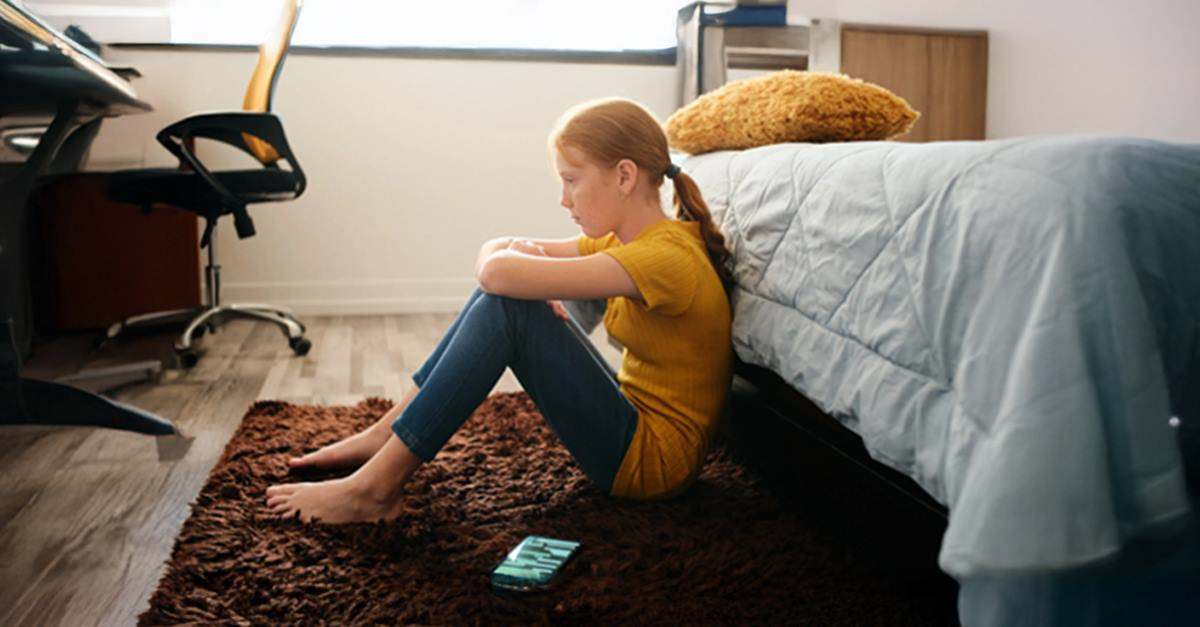
If you feel like the world your child is growing up in is completely different from the one you knew, you are right.
As a therapist, I spend my days listening to the quiet heartbeats of the younger generation. What I see today is not a lack of talent or a lack of respect. I see a generation growing up in a world that is incredibly busy, noisy, and connected to phone screens yet deeply disconnected from the human warmth that makes a child feel safe.
In my clinical practice, a repeating pattern keeps many parents awake at night. A decline in effective communication. A thinning of emotional warmth. A rise in what we call dropout thinking.
Before we go further, I want to say something important: parents, you are not failing. The fact that you are reading this, looking for ways to understand your child better, shows how much you care. This is not about blame. It is about building a bridge back to each other.
In our culture, we work very hard to provide for our children. We ensure they have a good roof over their heads, the best tuition classes, nutritious food, and the latest technology. But in the world of parenting, there is another kind of safety that is just as vital: emotional safety.
Many children today live in houses that are physically secure but emotionally hungry. Because life today is so demanding, parents are often stressed carrying the heavy weight of financial and social pressure. They arrive home distracted, exhausted from work, tied to their own phones, with no energy left to truly see their child.
When a home lacks emotional safety, children go silent. They sense there is no space for their mistakes or their sadness. They begin to believe they are only loved for their grades, their achievements, or their good behaviour.
The result is a child who feels they cannot speak and eventually withdraws.
To heal this, we must shift from just checking their homework to checking their emotional health.
Our children have hundreds of friends on Instagram and WhatsApp, yet many feel entirely invisible.
Their social world is often performative they show only the perfect side of their life. It is competitive they measure their worth by likes and comments. And it is fragile when there is a conflict, they block each other instead of working through it.
As a parent, it is easy to see your teenager on their phone and assume they are socialising. But scrolling is not the same as connecting. Without strong, facetoface bonds, children feel replaceable. They feel alone even when they are surrounded by people.
This kind of invisible isolation is one of the most significant drivers of youth anxiety and depression that we see in clinical practice today.
One of the most concerning trends I see is the rise of what I call dropout thinking. This is not just about children wanting to leave school. It is a deeper desire to drop out of life's responsibilities altogether.
A parent's first instinct is often to read this as laziness or defiance to respond with stricter rules, more pressure, firmer boundaries. But as a therapist, I want to offer a different frame entirely.
Dropout is not rebellion. Dropout is exhaustion.
These young people carry thoughts like: "I don't belong in this highpressure world." "The expectations are too high and I am too small." "No one understands how heavy my mind feels."
When a child says "I can't do this anymore," they are not being difficult. They are communicating a mental health crisis in the only language they have available. They do not need a lecture. They need a safe place to land.
If your child has reached this point, speaking with a mental health professional is one of the most important steps a family can take.
We often speak about the mind and body as though they are separate. They are not. I often tell parents: a weak body cannot hold a heavy mind.
If a child is not sleeping enough because of latenight screen use, not eating nourishing food, or not moving their body regularly, the brain loses its capacity to handle stress. They become emotionally brittle overwhelmed by things that would otherwise be manageable.
When we help a child fix their sleep, their diet, or their daily rhythm, we are giving their nervous system the foundation it needs to process emotions. And sometimes, the first step toward emotional safety is the simplest one a child feeling: "My parents are looking after me. I am being cared for."
If you are concerned that your child's mental and physical health may be connected in ways that need professional support, a diagnostic screening can be a clarifying starting point.
If we want to bring warmth back into our homes, we have to change how we interact not how much we provide.
Our children do not need more fixing or unsolicited advice. They need gentle listening without judgment. They need space to make mistakes without shame. They need warm conversation rather than another motivation talk. They need their emotional reality respected, even when we do not fully understand it.
They do not need perfect parents. They need present ones.
They need to know that even if they fail an exam, even if they struggle with their feelings, even if they are going through something you do not have the words to explain your love for them will not change.
Small, consistent shifts in how we show up for our children can rebuild the connection that pressure and busyness have quietly eroded.
Every day, spend ten minutes simply listening to your child. No advice. No comparisons to your own childhood. Just: "I'm listening tell me more." This single practice, done consistently, communicates more than any lecture can.
You do not have to agree with your child's choices to acknowledge their emotions. Saying "I can see you're feeling really stressed" even when you want them to study harder creates emotional security. Validation is not endorsement. It is connection.
If you had a difficult day, say so. "I felt a bit overwhelmed at work today." When you name your own emotions honestly, you give your child permission to name theirs. Emotional openness is contagious in the best possible way.
Establish a family practice of putting phones away an hour before bed. Prioritise sleep and shared movement even a short evening walk. This is not punishment. It is protection. A regulated body is the foundation of a regulated mind.
If you are unsure where to begin or feel your child needs more support than these steps can provide, telehealth therapy offers a accessible and flexible way to get professional guidance from home.
I do not see a spoiled or broken generation. I see a generation that is deeply sensitive and asking some of the most important questions a young person can ask.
"Will anyone hear me?"
"Will anyone stay?"
"Will anyone care enough to help me grow?"
When families, schools, and counsellors work together, we can rebuild the warmth. We can move away from pressure and back toward belonging. The future of your child does not depend on their marks. It depends on how safe they feel in your home.
One conversation at a time. One hug at a time.
If you are ready to take the next step, Shine Behavioral Health is here to support your family.
Subscribe to our newsletter and get the latest updates and insights - straight to your inbox.